
Gel nail polish has shifted from salon luxury to everyday essential. Longer wear. Higher shine. Less chipping. For both professionals and at-home users, it has become the default.
But not all gel polish is created equal. And increasingly, one detail is shaping buying decisions: HEMA.
This guide breaks down what gel nail polish is, how it works, how to apply it properly, and why HEMA-free formulas are becoming the standard.
At its simplest, gel nail polish is a formula that cures under UV or LED light to create a hardened, glossy finish.
Unlike traditional polish, which air-dries, gel polish undergoes a chemical reaction when exposed to light. This creates a durable coating that bonds to the nail.
The result is:
For a nail tech looking for gel nail polish, the appeal is consistency. It performs. It lasts. It looks professional.
If you are new to gel systems, it is worth starting with a step-by-step walkthrough like this [beginner gel nail application guide] to understand the basics before investing in products.
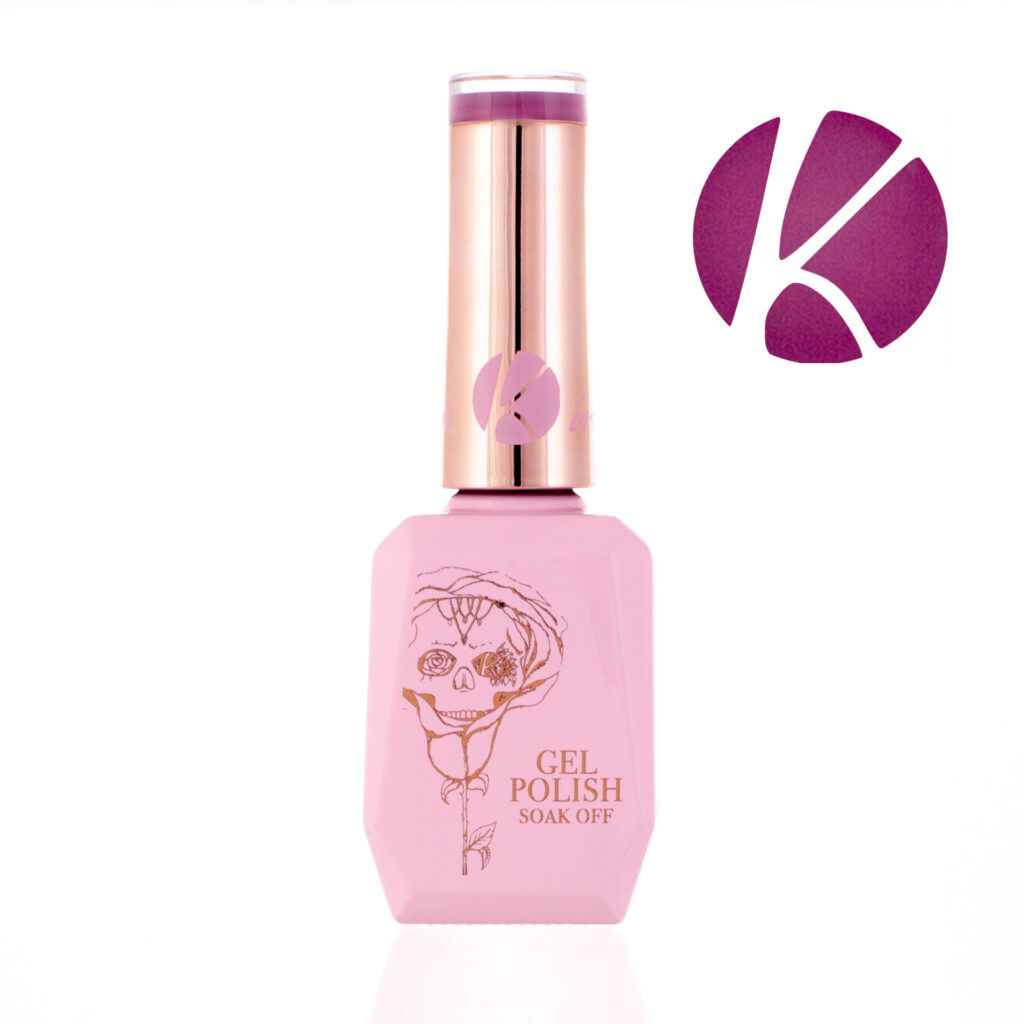
Gel polish contains photoinitiators. When exposed to UV or LED light, these molecules trigger polymerisation, turning liquid polish into a solid coating.
The process usually involves:
Each layer is cured under a lamp, locking it into place.
This is why gel nail polish outperforms standard polish. It is not just drying, It is chemically setting.
For a deeper look at how curing works in practice, check out our ultimate guide to curing gel polish.

Application is where most issues begin. Lifting, peeling and poor wear are almost always down to prep or technique.
A clean application process:
The key is control. Thick layers lead to poor curing and early lifting.
If done correctly, gel polish should last weeks without losing shine.
If you are struggling with consistency, this [how to get salon-quality gel nails at home] guide breaks down the technique in more detail.
This is one of the most searched problems.
Common causes include:
For many users, switching products solves the issue. For others, it is about technique.
If lifting is a recurring issue, this guide goes deeper into troubleshooting.
HEMA (Hydroxyethyl Methacrylate) is a common ingredient in many gel nail products. It helps with adhesion, allowing polish to bond to the nail.
However, it has also been linked to allergic reactions in some users, particularly with repeated exposure or poor application.
Symptoms can include:
This has led to increased demand for HEMA free gel polish.
HEMA-free formulas remove this ingredient while still delivering performance.
For professionals, this matters. Clients are more informed. Sensitivities are more common. Expectations are higher.
For at-home users, it is about reassurance. Fewer risks. Safer application.
Choosing HEMA-free gel polish does not mean compromising on quality.
Traditional gel nail polish:
HEMA-free gel nail polish:
In reality, many brands now offer gel nail polish that is already HEMA-free. In reality, salon-grade gel polish should be and, in many cases, is produced without HEMA.
Whether you are a professional or just starting out, the decision comes down to:
If safety and client comfort are priorities, HEMA-free gel polish should be a part of your shopping list.
The direction is clear.
Better formulations. Safer ingredients. Higher expectations.2
HEMA-free is not a niche trend. It is becoming standard.
For brands, this is about trust. For users, it is about confidence.
For inspiration on where trends are heading, explore this [latest gel nail trends and designs] roundup.
Whether you are building your kit or upgrading your current setup, choosing the right products makes all the difference. Explore the full range of gel nail polish and discover high-performance formulas designed for long-lasting results. For those prioritising safety and modern formulation, you can also browse the full collection of HEMA-free gel polish without sacrificing quality or finish.
Returns:
nails@kirstymeakin.com
Kirsty Meakin,
42 Winpenny road,
Park House Industrial Estate,
Newcastle Under Lyme,
ST57RH
