
Gel polish has become the backbone of modern nail services. For professionals and home users alike, it offers durability, intense colour and a glossy finish that traditional nail polish rarely matches. Yet despite its popularity, many people still misunderstand how gel polish works, how it differs from other nail systems and what is required to achieve long-lasting results.
Understanding the fundamentals of gel polish helps ensure better application, healthier nails and a finish that lasts.
Gel polish is a hybrid nail coating that combines elements of traditional nail varnish with gel technology. Unlike standard polish, which air dries through evaporation and can be applied at home, gel polish cures under a UV or LED lamp and also needs to be applied by a qualified nail technician. This curing process hardens the product into a durable, flexible coating that adheres to the natural nail.
The formula typically contains photo-reactive ingredients that respond to the light from the curing lamp. When exposed to this light, the polish transforms from liquid to solid in a controlled chemical reaction. The result is a finish that is smoother, harder and far more resistant to chips than conventional nail varnish.
When applied correctly, gel polish creates a thin yet resilient layer over the nail that can withstand daily wear while maintaining shine.
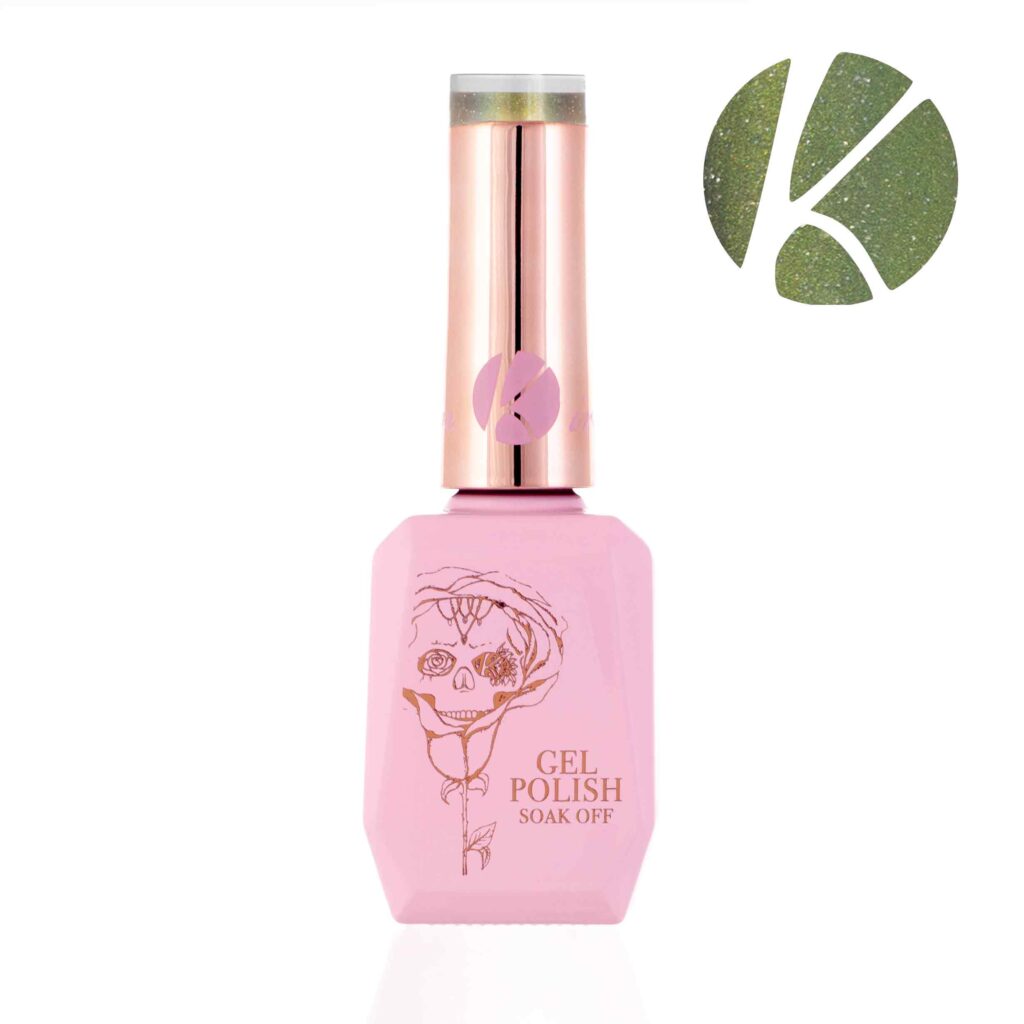
One of the main reasons gel polish has become so popular is its longevity. A properly applied gel manicure can last between ten days and three weeks without chipping or dulling.
Longevity depends on several factors. Preparation of the natural nail, quality of the gel polish formula, correct curing under a lamp, proper sealing with base and top coats, and lifestyle factors such as nail growth and daily wear all influence how long the finish lasts.
For many people, the manicure will outlast the natural growth of the nail. In these cases, the visible gap near the cuticle becomes the main reason for removal rather than wear or damage.
Gel polish also maintains its gloss for the duration of wear. Unlike traditional polish, which gradually loses shine, gel retains its glass-like finish until it is removed.
A successful gel polish application relies heavily on preparation. Even the highest quality products will struggle to perform if the nail surface is not prepared correctly.
The nail is first shaped and gently refined. Cuticles are pushed back, and any non-living tissue is removed from the nail plate. The surface of the nail is lightly etched to remove natural oils and create a texture that allows the gel to adhere. You can read Kirsty’s full gel polish tutorial here.
A base coat is then applied in a thin layer and cured under a a UV or LED lamp. This forms the anchor for the colour layers.

Colour is applied in thin coats, typically two layers, with each layer cured before the next is added. Gel polish is highly pigmented, so a thin application is important to ensure proper curing.
Finally, a top coat is applied and cured to seal the colour and provide a glossy protective finish. Once the final layer has cured, the manicure is fully set and ready for immediate use.
Despite its durability, gel polish should never be forcibly removed. Peeling or picking at gel polish can strip layers from the natural nail and weaken the nail plate.
The safest removal method involves breaking the top seal and soaking the product with acetone.
The top coat is lightly filed to allow the remover to penetrate the gel layers. Cotton soaked in acetone is then applied to the nail and wrapped in foil or specialised removal clips. You can read Kirsty’s full tutorial on safe gel polish removal here.
After several minutes, the gel softens and can be gently pushed away using a manicure tool. Proper removal preserves the integrity of the natural nail and allows the next application to perform properly.
The difference between gel polish and traditional nail varnish lies primarily in how the product cures and how long it lasts.
Traditional nail polish dries through exposure to air. As the solvent evaporates, the coating hardens on the nail surface. While this process is simple, it leaves the finish vulnerable to dents, chips and wear.
Gel polish, by contrast, cures under a lamp. The chemical reaction triggered by UV or LED light creates a stronger molecular structure. This gives gel polish its durability and resistance to everyday damage.
Another major difference is drying time. Traditional nail polish can take an hour or more to fully set, whereas gel polish is completely cured within minutes of lamp exposure.
The trade-off is that gel polish requires specialised equipment and must be removed with the correct process.
Gel polish and builder gel are often confused, but they serve different purposes.
Gel polish is primarily a colour system designed to coat the natural nail. It is applied in thin layers and provides shine and durability without significantly changing the structure of the nail.
Builder gel is thicker and designed to add strength, shape or length to the nail. It can be used to reinforce weak natural nails or to sculpt extensions.
In simple terms, gel polish enhances the appearance of the nail, while builder gel alters the structure.
Many professional services combine the two. Builder gel may be used to create strength or structure, while gel polish is applied over the top to add colour and finish.
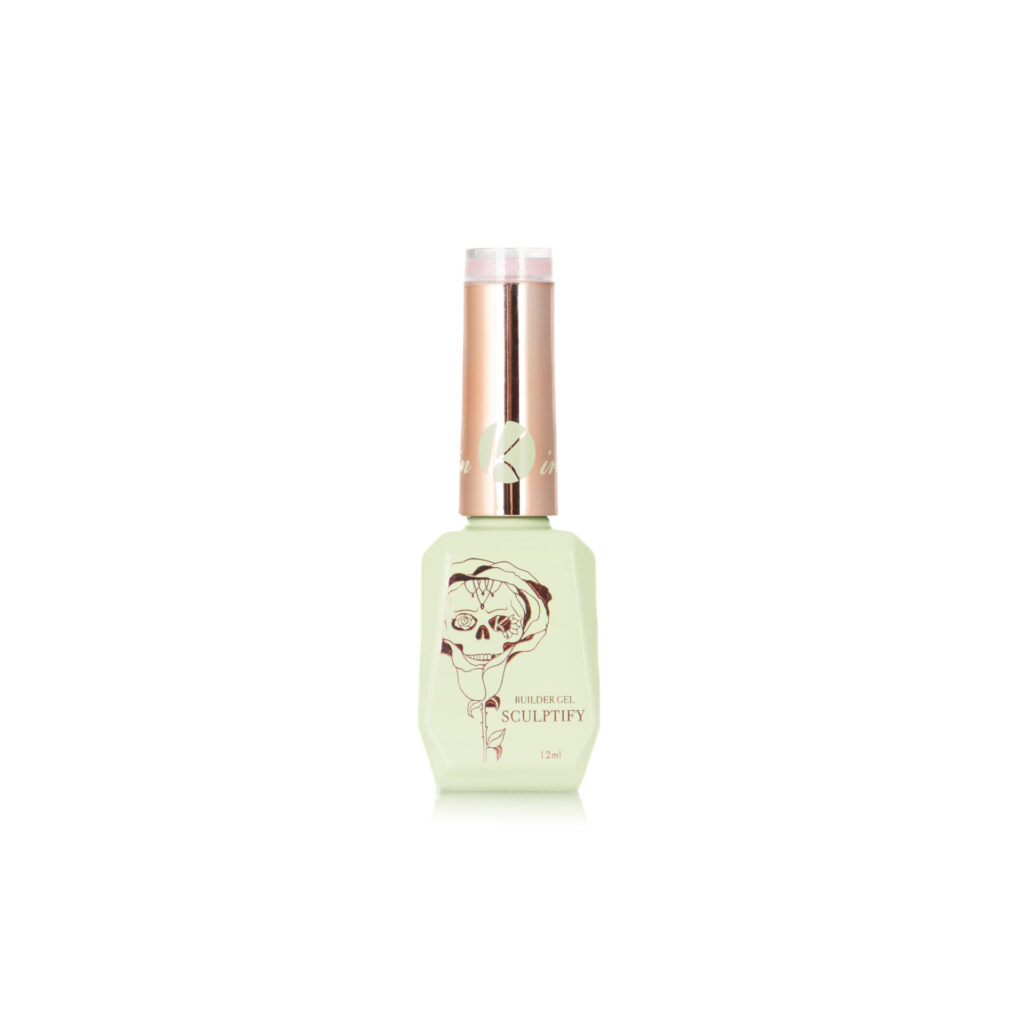
Although gel polish is known for durability, premature chipping can still occur. In most cases the issue lies in preparation or application rather than the product itself.
Common causes include insufficient nail preparation, applying product too thickly, incomplete curing under the lamp or failing to seal the free edge of the nail.
Natural factors such as very oily nail plates or heavy manual work can also shorten the life of a gel manicure.
Applying thin layers, curing correctly and ensuring the nail surface is properly prepared greatly reduces the risk of lifting or chipping.
Not all gel polish formulas are the same. Quality systems are designed to balance strength with flexibility so the coating moves naturally with the nail rather than becoming brittle.
Professional-grade gel polish typically offers high pigmentation, smooth self-levelling application and consistent curing under LED or UV lamps.
Modern formulas also increasingly prioritise safety and comfort for the wearer. Many brands now offer systems free from ingredients associated with allergic reactions while maintaining performance and colour depth.
For both professionals and home users, choosing a well-formulated gel polish and applying it with care makes the difference between a manicure that fails after a few days and one that remains flawless for weeks.
Gel polish remains one of the most versatile and reliable systems in nail technology. When applied correctly and removed safely, it delivers the combination most clients want: intense colour, lasting shine and durable wear.
Returns:
nails@kirstymeakin.com
Kirsty Meakin,
42 Winpenny road,
Park House Industrial Estate,
Newcastle Under Lyme,
ST57RH
