
Gel polish has become a staple in both salons and at-home nail routines. It promises a high-gloss finish, long wear, and resistance to chipping that traditional polish cannot match. Yet one of the most common frustrations remains the same: peeling.
Understanding why gel polish peels is only part of the story. To get consistent, long-lasting results, you need to understand how gel polish works as a system.
Gel polish is a durable nail coating that cures under a UV or LED lamp. Unlike traditional nail varnish, which air dries, gel polish hardens through a chemical reaction triggered by light.
This curing process creates a stronger, more flexible layer on the nail. When applied correctly, gel polish can last up to three weeks without chipping or losing its shine.

The appeal of gel polish is straightforward. It offers longevity without constant maintenance, a consistently glossy finish, and a level of resilience that stands up to daily wear.
For both professionals and home users, it removes much of the unpredictability associated with traditional polish. Once cured, it holds its shape and finish in a way that feels dependable.
Peeling is rarely caused by one issue alone. It is usually the result of small errors in preparation or application.
The most common cause. If the nail plate is not properly prepped, the gel has nothing to adhere to. Any remaining cuticle, dust or surface shine will weaken the bond from the outset.
Natural oils or residual moisture create a barrier between the nail and the product. Even minimal contamination can be enough to compromise adhesion.
Gel polish relies on precise curing. If the lamp is not powerful enough, or curing times are shortened, the product remains unstable and prone to lifting.
Gel polish performs best in thin, controlled layers. When applied too thickly, it cures unevenly, leading to weakness beneath the surface.
Each step in the system has a function. The base coat secures adhesion, while the top coat seals and protects. Removing either step reduces durability.
Not all gel polishes are formulated to the same standard. Variations in adhesion, pigment and consistency can affect performance, even when the application is correct.
The durability of gel polish is determined long before the final coat is applied. It begins with preparation and is reinforced through consistency at each stage.
The nail must be clean, dry and free of any surface residue. Cuticle should be fully removed from the nail plate, and the natural shine lightly buffed to create a suitable surface for adhesion.
The application should remain controlled. Thin layers allow the product to cure evenly, building strength gradually rather than overwhelming the nail with excess material. Each layer must be cured fully using the correct lamp and timing for the product being used.
The process concludes with a top coat that seals the structure, followed by rehydration of the surrounding skin. When treated as a sequence rather than a shortcut, gel polish becomes far more reliable.
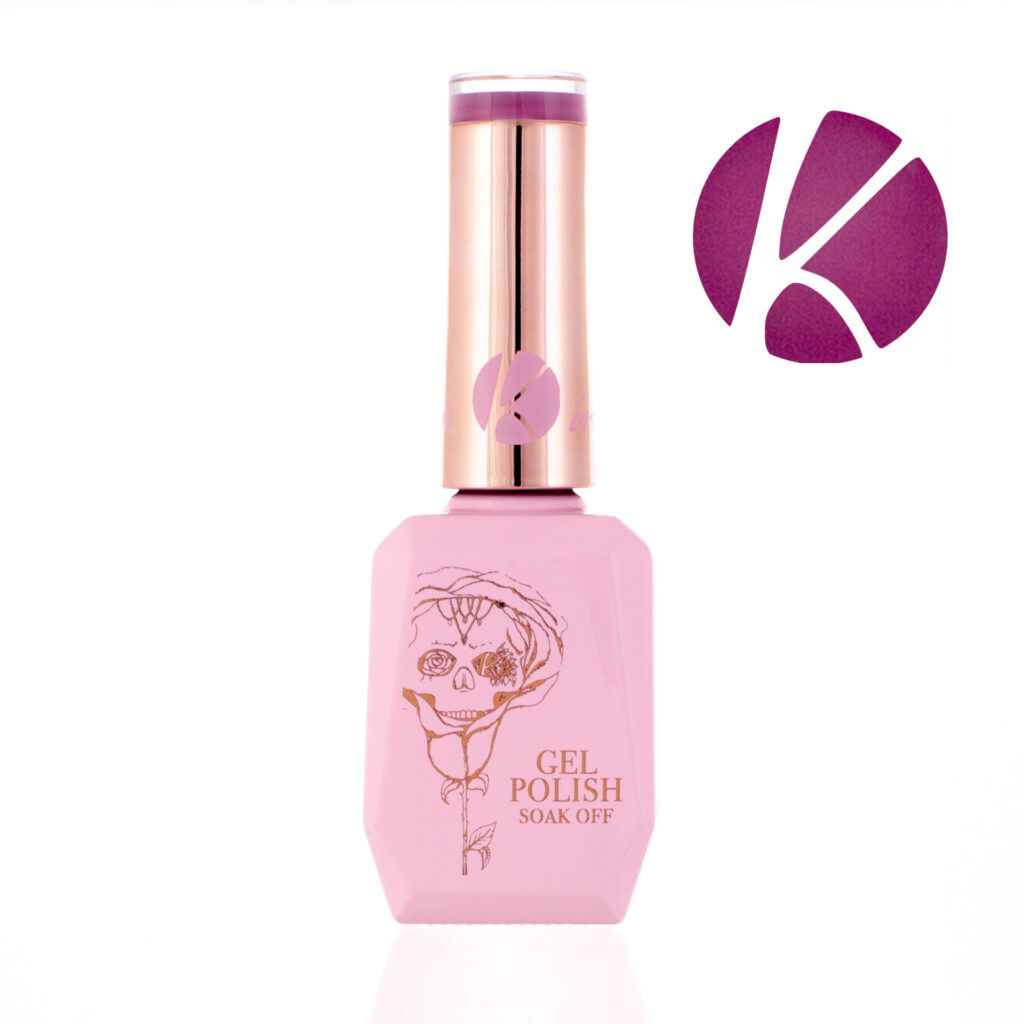
When applied with care, gel polish should maintain its finish for up to three weeks. This expectation is based on proper preparation, correct application and suitable aftercare.
Where peeling occurs within days, the issue is rarely wear and tear. It points instead to a weakness in the initial application or the condition of the nail at the time.
Durability is not accidental. It is built into the process.
Preventing peeling is less about quick fixes and more about precision. The nail must be properly dehydrated before application, removing any trace of oil or moisture. The edges of the nail should be sealed to prevent lifting, and exposure to water or chemicals immediately after application should be minimised.
What appears minor in isolation becomes significant in combination. Attention to detail is what extends wear from days to weeks.

The distinction between gel polish and traditional varnish lies in both performance and structure.
Gel polish is cured, forming a hardened layer that resists impact and maintains a consistent finish. Traditional polish dries through evaporation, leaving it more vulnerable to chipping and wear.
The difference is not simply aesthetic. It is functional. Gel polish is designed to endure.
Quality in gel polish is defined by consistency. A well-formulated product adheres evenly, cures predictably and maintains its structure over time.
This comes down to formulation. Balanced pigments, stable viscosity and reliable adhesion properties all contribute to performance. When these elements are aligned, the application becomes more forgiving and the results more durable.
Products developed as part of a complete system tend to perform best, as each layer is designed to work in conjunction with the others.
Selecting the right gel polish is not only about colour. It is about reliability. Products that are consistent in formulation, compatible across layers and responsive to standard curing methods remove much of the variability from the process.
For professionals, this consistency is expected. For those working at home, it is often the difference between repeatable results and ongoing frustration.
This typically indicates an issue with nail preparation, such as oil on the nail plate or insufficient curing. Applying the gel polish too thickly can also be a contributing factor.
Once the product has lifted, the bond has failed. Removal and reapplication is the most effective solution.
Yes. Gel polish requires UV or LED light to cure. Without it, the product will not harden correctly.
When applied and removed correctly, gel polish does not damage the natural nail. Damage is usually caused by improper removal techniques.
Gel polish has earned its place not through marketing, but through performance. When it works, it delivers a finish and durability that traditional polish simply cannot match. When it fails, it is rarely the product alone at fault.
Peeling is not random. It is the visible result of a breakdown in the process. Preparation rushed. Layers applied too thickly. Curing misjudged. Small details, often overlooked, but decisive in outcome.
The difference between gel polish that lasts three days and gel polish that lasts three weeks is not dramatic. It is methodical. It sits in the discipline of preparation, the control of application, and the consistency of the products used.
For professionals, this is standard practice. For those applying gel polish at home, it is the shift that turns frustration into reliability.
Get the system right, and gel polish does what it promises. Ignore it, and it does not.
Returns:
nails@kirstymeakin.com
Kirsty Meakin,
42 Winpenny road,
Park House Industrial Estate,
Newcastle Under Lyme,
ST57RH
