
Search for gel polish vs acrylic nails, and you will usually find a simple comparison. One system is described as stronger. The other looks more natural.
But professional nail technicians rarely see the choice in such binary terms.
Acrylic nails and gel polish perform different roles. Acrylic powder systems create the structure of the nail, providing strength and shape. Gel polish adds colour, shine and detailed design work.
Rather than competing products, they often work together. Many advanced nail sets rely on acrylic nails for structure and gel polish for artistry, producing stronger and more creative results than either system alone.
Understanding how each product works explains why this combination is so widely used in professional nail work.
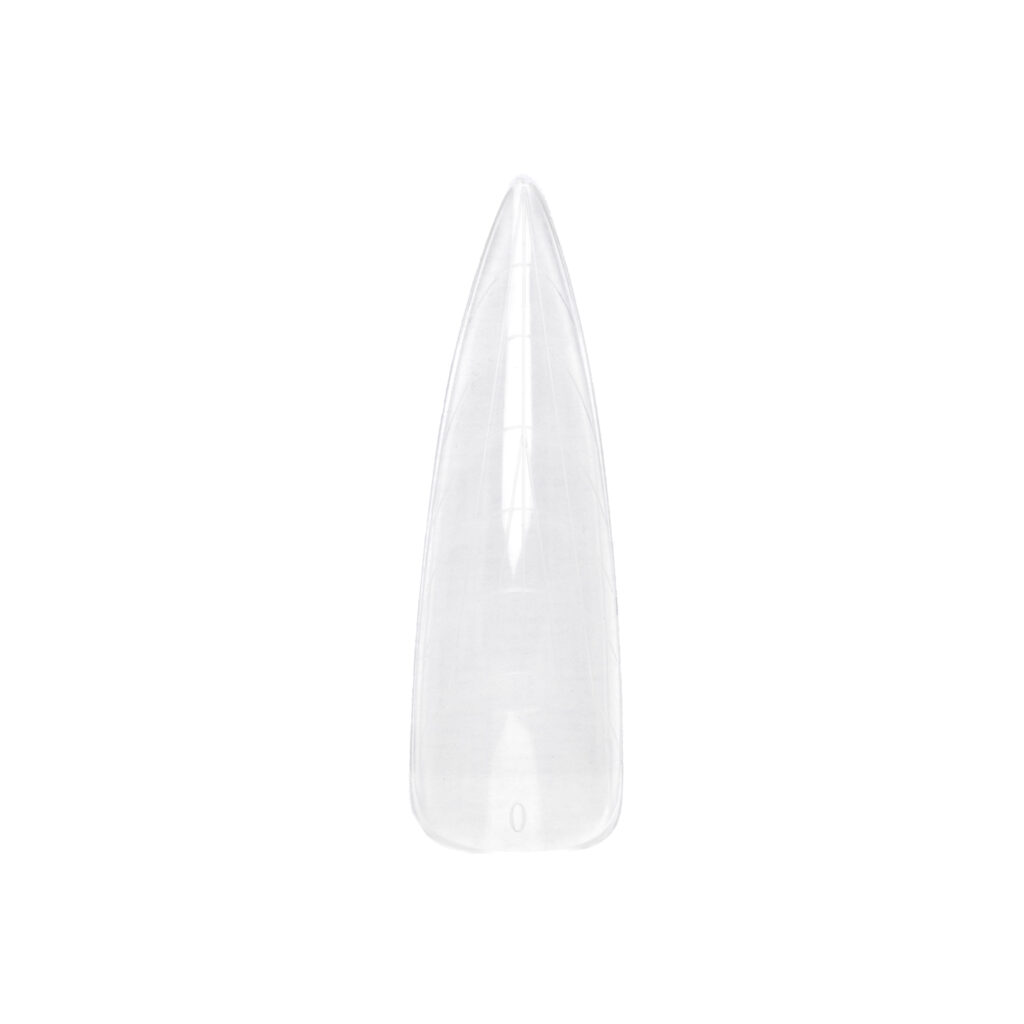
Acrylic nails are created using a two-part system made from acrylic powder and liquid monomer. When combined, these ingredients form a mouldable material that hardens in air, creating a rigid protective layer over the natural nail.
Once the mixture sets, the nail technician files and shapes the surface to create the desired structure and length.
Because acrylic forms a solid layer, it is particularly suited to:
• long nail extensions
• sculpted shapes such as coffin or stiletto
• strengthening weak natural nails
• providing a stable base for nail art
Acrylic nails are widely known for their durability and resistance to breakage, which is why they remain a popular choice for long or dramatic nail designs.
In professional nail sets, acrylic powder is used to build the apex of the nail. This is the raised area that distributes pressure across the enhancement and prevents cracking or snapping.
Without this structure, long nails would be far more likely to fail.
Gel polish works very differently.
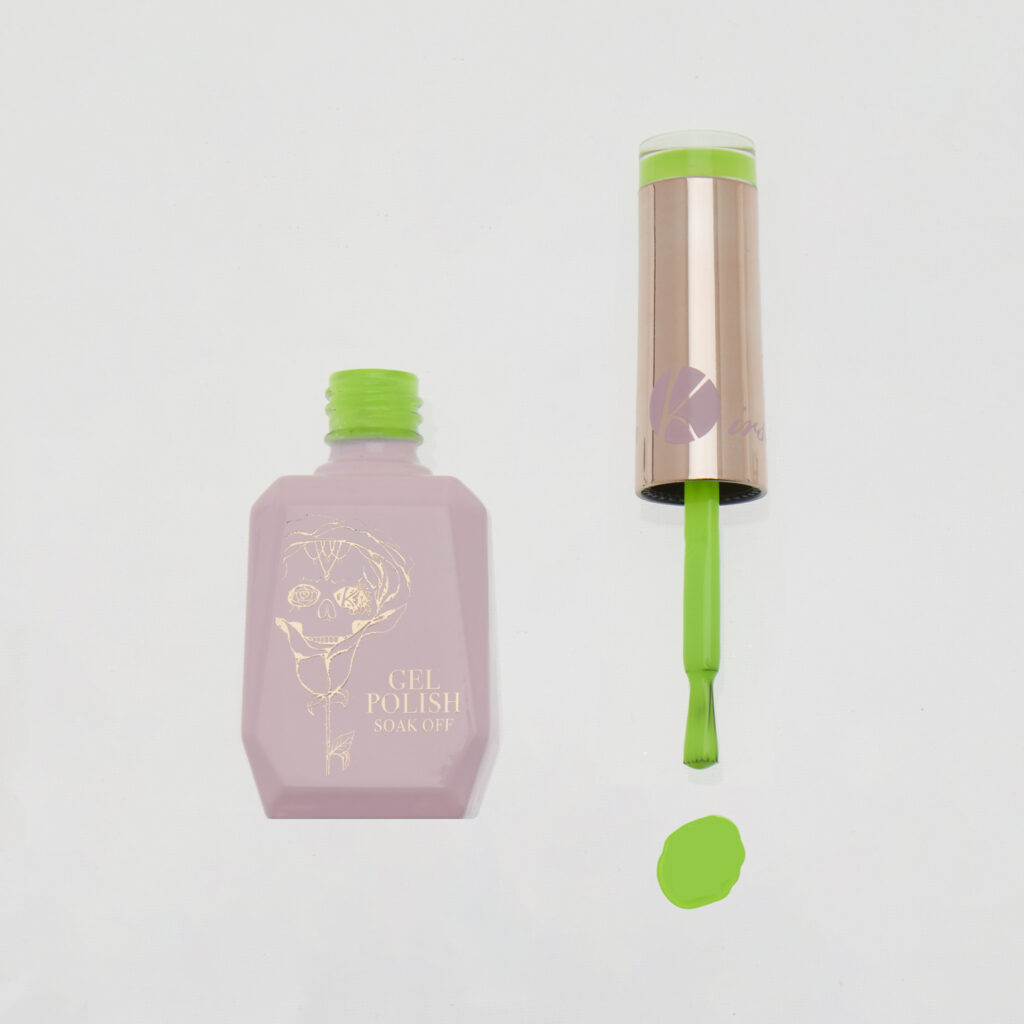
Rather than being mixed during application, gel polish comes as a pre-mixed gel formula that cures under a UV or LED lamp. The curing process hardens the gel into a glossy, flexible coating.
Gel polish is typically applied in thin layers and cured between each coat. The result is a smooth, high-shine finish that can last for several weeks.
Gel polish is commonly used for:
• colour application
• glossy finishes
• nail art and detailed designs
• layered effects such as glitter or cat-eye pigments
Compared with acrylic nails, gel polish tends to be thinner and more flexible, creating a finish that often looks closer to natural nails.
For this reason, gel polish is often chosen when the focus is on appearance and colour, rather than structural strength.
| Gel Polish | Acrylic Nails |
| Colour and finish | Nail structure and extensions |
| Pre-mixed gel formula | Acrylic powder mixed with liquid monomer |
| UV or LED lamp | Air-cured chemical reaction |
| Flexible | Rigid and strong |
| Colour, shine, nail art | Length, structure and sculpted shapes |
In professional nail artistry, the goal is rarely just strength or just colour.
The aim is to create a nail that is durable, balanced and visually striking.
This is where combining acrylic nails with gel polish becomes powerful.
The process often works like this:
This layered approach allows nail artists to achieve far more creative results.
Acrylic provides the architecture of the nail.
Gel polish provides the artistic detail.
One of the most advanced techniques used in acrylic nail systems is encapsulation.
Encapsulation involves applying gel polish or decorative elements, then sealing them inside a layer of clear acrylic powder. This creates a smooth protective surface above the design.
Encapsulation offers several advantages:
• the nail art is protected from wear
• filing can refine the nail without damaging the design
• the nail surface remains perfectly smooth
• the design appears to sit beneath the surface
This technique is widely used for complex designs such as 3D French nails, glitter layers and dimensional nail art.
The effect adds depth and structure that cannot be achieved using gel polish alone.

Many clients approach the topic as a comparison: gel polish or acrylic nails.
But the better question is often what you want your nails to achieve.
| If you want… | Best option |
| Long nail extensions | Acrylic nails |
| Strong sculpted shapes | Acrylic powder systems |
| Natural-looking colour | Gel polish |
| Detailed nail art | Gel polish over acrylic |
| Durable structure with colour | Acrylic nails finished with gel polish |
Despite the rise of gel systems, acrylic powder remains one of the most reliable materials for creating nail extensions.
The air-cured reaction between powder and monomer produces a hard surface that can withstand daily wear.
This durability allows nail technicians to create dramatic shapes and long enhancements while maintaining strength and balance.
Once the structure is built, gel polish colours can be applied to achieve almost unlimited creative possibilities.
The popularity of both systems has created the impression that clients must choose between them.
In reality, they solve different problems.
Acrylic nails provide strength, structure and shape.
Gel polish delivers colour, shine and intricate design.
When combined, they create nails that are both durable and visually striking.
For many professional nail artists, the best sets are not created by choosing one system over the other. They come from understanding how acrylic powder and gel polish work together.
Returns:
nails@kirstymeakin.com
Kirsty Meakin,
42 Winpenny road,
Park House Industrial Estate,
Newcastle Under Lyme,
ST57RH
