
There are only a handful of decisions in nail care that genuinely change the outcome. This is one of them. Gel polish and acrylic nails are often treated as interchangeable. They are not. They solve different problems, suit different clients, and behave very differently over time. If you choose the wrong one, you feel it within days. Lifting, chipping, discomfort, damage. If you choose the right one, it disappears into your routine and simply works.
This is a practical breakdown of how they compare, where each one excels, and where they quietly fail.
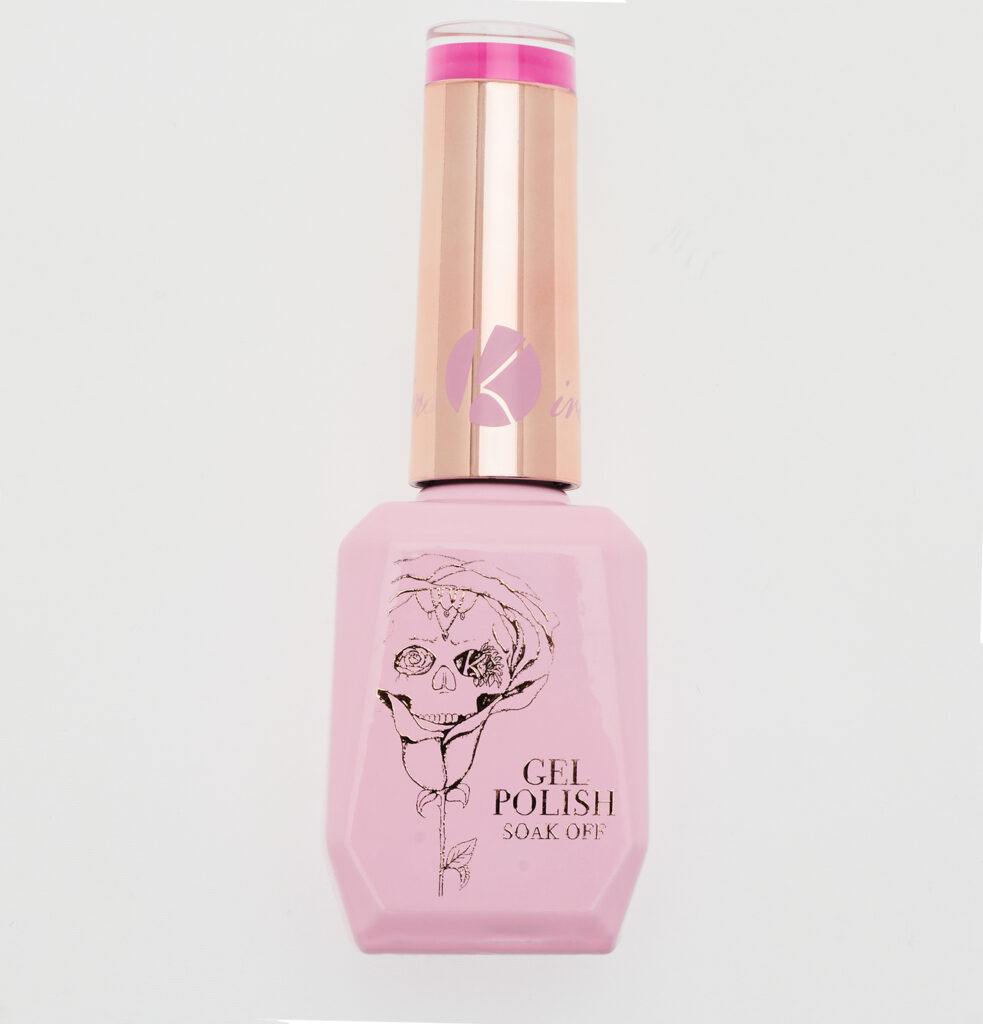
Gel polish is not a nail extension. It is a coating that sits over your natural nail, cured under a lamp, forming a flexible but durable layer. When applied properly, it moves slightly with the nail rather than fighting against it.
That flexibility is the reason it feels natural. It is also the reason it cannot add length or structure. For most clients, gel polish is about finish and longevity. It gives you a clean, high-gloss result that holds for a couple of weeks without the fragility of traditional polish.
Acrylic is a system built for structure.
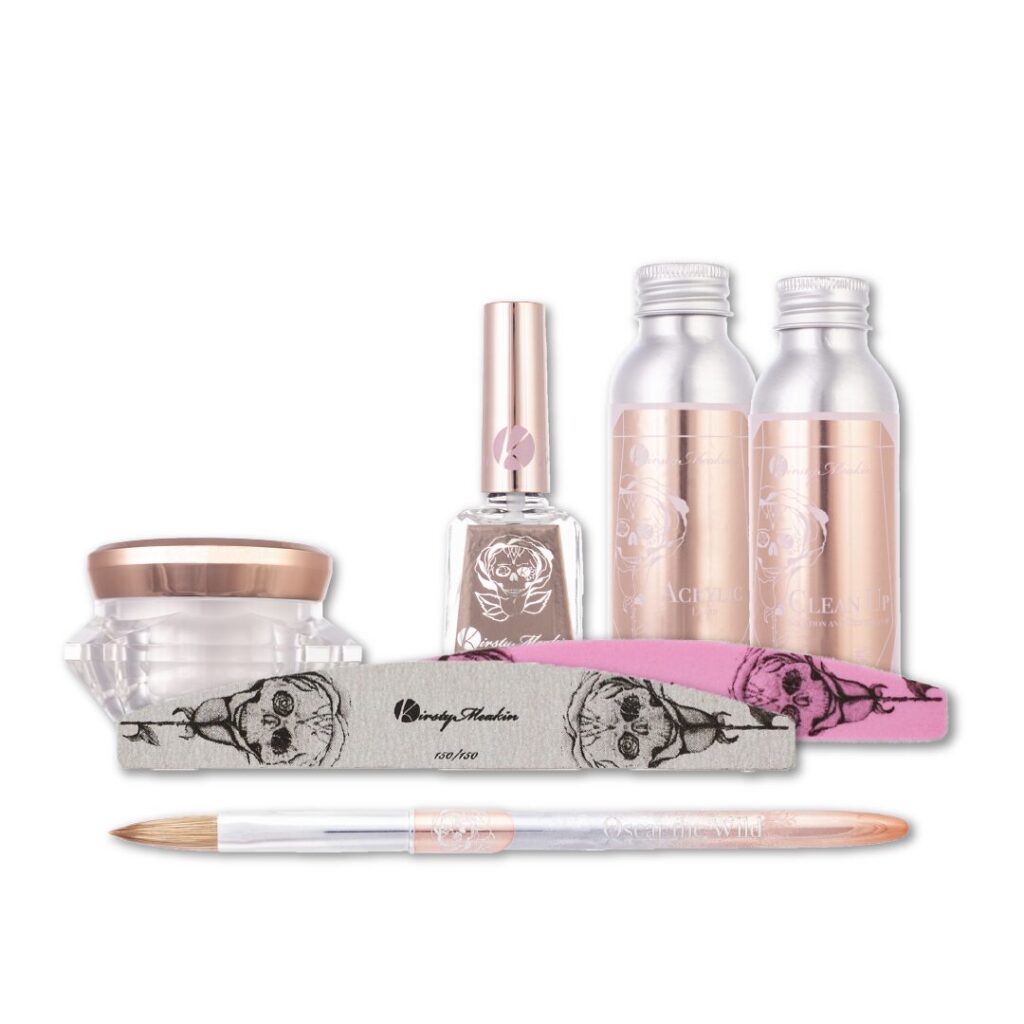
Liquid monomer and powder polymer combine to form a rigid layer that can be sculpted beyond the natural nail. Length, shape, architecture and this is the real point of acrylic nails. Acrylic nails do not flex in the same way as gel polish. That rigidity is what allows dramatic transformations, but it also introduces risk if the nail underneath is not prepared or maintained correctly.
Acrylic is not subtle, acrylic nails are a very deliberate system.
Most comparisons stop at surface-level distinctions. The reality is simpler.
One protects and enhances what is already there.
The other builds something new.
| Aspect | Gel polish | Acrylic nails |
| Function | Coating | Extension and structure |
| Feel | Light, flexible | Firm, rigid |
| Finish | Natural, glossy | Defined, sculpted |
| Longevity | Around 2–3 weeks | Often 3–4 weeks with infills |
| Removal | Soak-off | Filed down and soaked |
| Margin for error | Lower | Higher |
That last line is the one that tends to get ignored. Acrylic gives you more scope, but also more room to get it wrong.
For most people, most of the time, gel polish is the better choice. Not because it lasts longer or looks better, but because it fits into real life without friction.
It works when:
Gel polish is forgiving. When applied and removed properly, it rarely causes the kind of long-term issues people associate with enhancements. It is the default for a reason.
There are situations where gel polish simply cannot compete.
Acrylic is the right choice when:
It is also often the choice for clients who want a more permanent-feeling result. Something that does not shift or flex. But that comes with a trade-off. Acrylic demands more from both the technician and the client.
This is where most misinformation sits because, crucially, neither system is inherently damaging. Poor application and removal are. That said, the consequences differ.
Gel polish, when misused, tends to lead to surface weakening. Over-filing, improper removal, repeated picking. The damage is usually recoverable with time. Acrylic, when misapplied, can cause more structural stress. The rigidity means any lifting or imbalance puts pressure on the natural nail. Over time, that can lead to thinning or trauma.
The product is not the problem; a lack of education in how to apply generally is.
Gel polish is cyclical. Apply, wear, remove, repeat. Acrylic is cumulative. It builds over time. Infills, rebalancing, and occasional full removal. If you do not maintain acrylic properly, it shows quickly. Lifting at the cuticle, imbalance at the apex, and increased risk of breakage.
Gel nails, by contrast, tend to fail more gracefully. It chips or lifts, but rarely destabilises the nail underneath.
You do not always have to choose.
In many salons, the most effective approach is a hybrid:
This allows you to combine the strength of one with the flexibility and gloss of the other.
It is also a reminder that these systems are tools, not identities.
If the goal is everyday wear, low maintenance, and healthy, natural nails, gel polish is the better option. If the goal is transformation, length and structure, acrylic remains unmatched. The mistake is choosing acrylic when you only need polish, or expecting gel polish to behave like a structural system.
Match the product to the outcome, not the trend.
Most people do not need more from their nails. They need the right thing, done properly. Gel polish tends to be enough. Acrylic is powerful when it is necessary.
Knowing the difference is what keeps the result looking effortless.
Returns:
nails@kirstymeakin.com
Kirsty Meakin,
42 Winpenny road,
Park House Industrial Estate,
Newcastle Under Lyme,
ST57RH
