
Gel polish has transformed how we approach long-lasting manicures. It offers durability, shine and professional results that traditional polish struggles to match. But alongside its rise, so too has awareness of allergic reactions. This is not scaremongering. It is a technical issue, and one we need to understand properly if we want to use gel polish safely and confidently.
A gel nail polish allergy is typically a form of contact dermatitis. It occurs when the immune system reacts to specific ingredients within the product, most commonly uncured monomers. These reactions can develop over time rather than immediately, which is why even experienced users can suddenly encounter problems.
Symptoms can include:
The key point is this: most reactions are not caused by gel polish itself, but by improper use or exposure to certain ingredients in their uncured state.
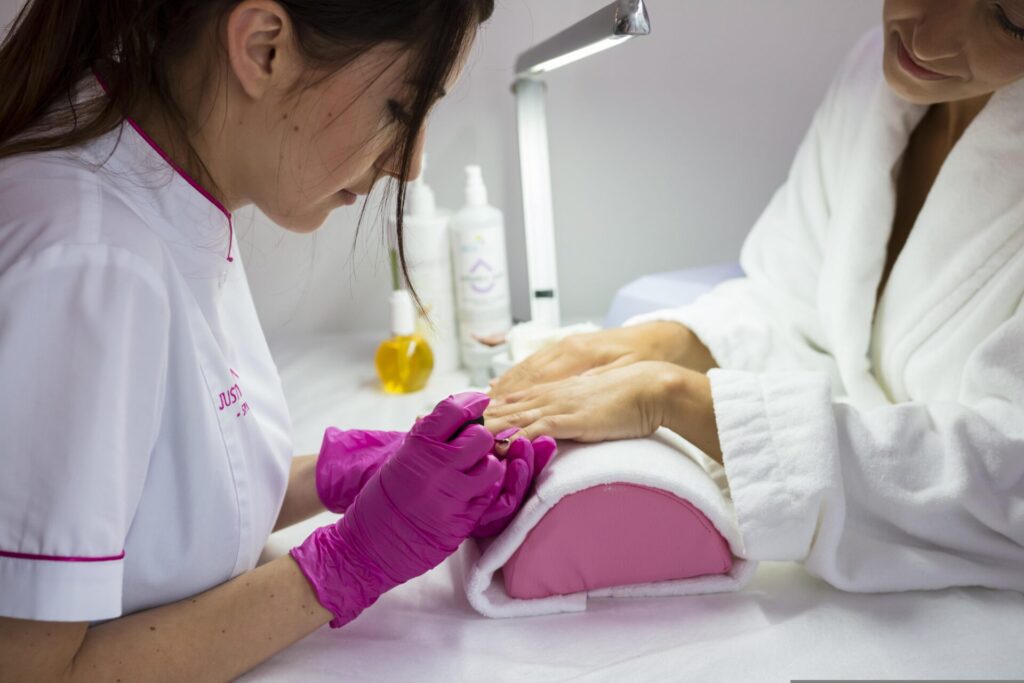
The primary culprits are specific chemical compounds used to create the durable finish gel polish is known for. Historically, ingredients like HEMA (hydroxyethyl methacrylate) and, more recently, TPO (a photoinitiator), have been linked to increased sensitivity in some users.
These ingredients are not inherently dangerous when used correctly in professional settings. The problem arises when:
Repeated exposure to uncured or partially cured gel polish increases the likelihood of the body developing a reaction over time.
This is where modern product development has shifted significantly.
We now see a move towards formulations that remove or reduce known sensitising ingredients. HEMA-free and TPO-free systems are designed to lower the risk of allergic reactions while still delivering performance.
We have taken that approach seriously in our own range. By formulating gel polish without HEMA and TPO, we reduce the most common triggers associated with sensitivities. It does not eliminate risk entirely, but it significantly improves the safety profile when combined with correct application.
Even the best formulation will not protect against poor technique.
Most gel polish allergies can be traced back to application issues. The critical factors are:
Avoid skin contact
Gel polish should never sit on the skin. Precision matters. The more exposure the skin has, the higher the risk of sensitisation.
Cure properly
Using the correct lamp and curing times is essential. Under-cured gel leaves reactive ingredients on the nail surface, increasing the chance of a reaction.
Use compatible systems
Mixing products and lamps from different systems can affect curing performance. Consistency improves reliability.
Do not pick or peel
Removing gel polish incorrectly damages the nail and increases exposure to partially cured layers.
In many cases, yes.
Professional nail technicians are trained to:
At-home users often lack that training, which increases the likelihood of:
This does not mean gel polish cannot be used at home. It simply means the margin for error is smaller.
If irritation develops, the safest course is to:
Continuing to use gel polish after a reaction can worsen sensitivity and make future reactions more severe.
Gel polish allergies are real, but they are also largely preventable.
The combination that matters is:
When we control those variables, we dramatically reduce the risk.
Understanding how professional gel polish works and respecting the process behind it, is what separates a safe, long-lasting result from a problematic one. It’s also worth bearing in mind that Kirsty Meakin’s Gel Polish is HEMA and TPO-free, totally vegan, and allergy safe.
Returns:
nails@kirstymeakin.com
Kirsty Meakin,
42 Winpenny road,
Park House Industrial Estate,
Newcastle Under Lyme,
ST57RH
